Dr. Harris’ Vision: Transforming Surgical Precision with Echo-Guided Techniques


Echocardiography has always been a vital diagnostic software for cardiologists, but their growing role within the functioning space scars an important change in contemporary center care. Dr. Austin Harris, a leading innovator in cardiac surgery, has pioneered new methods for developing echocardiographic tools into a wide selection of operative procedures. His method not just enhances operative accuracy but also increases patient security and recovery outcomes.
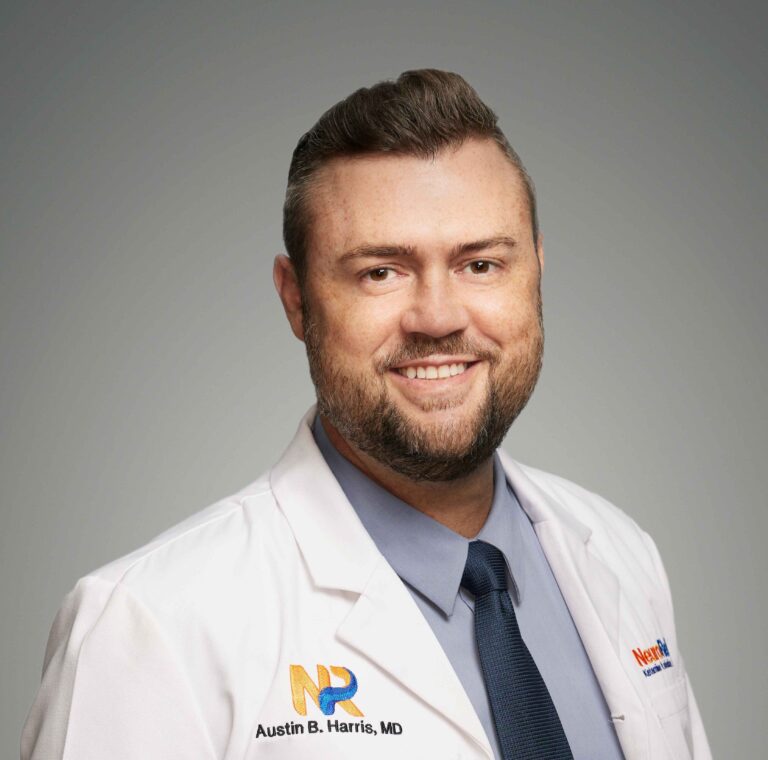
In the centre of Dr. Harris'process is the real-time visible detail that echocardiography provides. During surgery, he employs advanced imaging programs to map the design and movement of the center with outstanding clarity. This allows him to make extremely educated decisions, particularly when moving around fine areas or solving complicated architectural defects. Real-time imaging becomes a guiding mechanism, lowering guesswork and increasing the reliability of every precise step.
One of the most notable affects of his method is seen in minimally invasive cardiac procedures. Typically, surgeons counted greatly on direct visual publicity, which expected bigger incisions. With Dr. Harris'echo-guided techniques, smaller accessibility points are ample because imaging compensates for the limited visibility. As a result, individuals knowledge decreased suffering, quicker therapeutic, and shorter hospital stays. The strategy also broadens the number of conditions which can be treated without resorting to open-heart surgery.
Valve repair and alternative operations especially take advantage of that imaging innovation. Dr. Harris employs echocardiographic tools to examine valve purpose before, throughout, and following repair. This constant evaluation helps make certain that the medical correction defines the required flow characteristics. In addition, it reduces the need for repeat techniques, as any necessary changes can be made instantly while the individual continues to be in the operating room.
Beyond structural repairs, Dr. Austin Harris applies echocardiographic advice to treat situations like atrial fibrillation and congenital heart anomalies. Specific imaging helps identify the exact muscle regions involved, allowing targeted intervention. That reduces the chance of damaging surrounding heart structures and enhances long-term patient outcomes. Each method becomes more customized and tuned in to the individual patient's structure and needs.
Dr. Harris also stresses the instructional value of echocardiographic tools. He combines these imaging practices into surgical education applications, permitting new surgeons to discover cardiac purpose in actual time. This interactive learning accelerates ability development and increases procedural confidence. Students gain a greater understanding of how center structures behave below various operative manipulations, fundamentally strengthening the overall field of cardiac surgery.

Still another important component of his function could be the constant refinement of imaging technologies. Dr. Harris collaborates with technicians and medical product specialists to develop computer software changes and increase imaging resolution. These changes more expand exactly what do be achieved during surgery and start the door to new procedures that were formerly considered also hazardous or complex.
In mixing precise experience with sophisticated imaging, Dr. Harris illustrates how technology can raise old-fashioned medical practice. His determination to integrating echocardiographic tools has developed the medical atmosphere, making heart techniques safer, far better, and more convenient to each patient. As more surgical stores follow his strategies, the ongoing future of cardiac attention grows significantly specific and patient-centered.